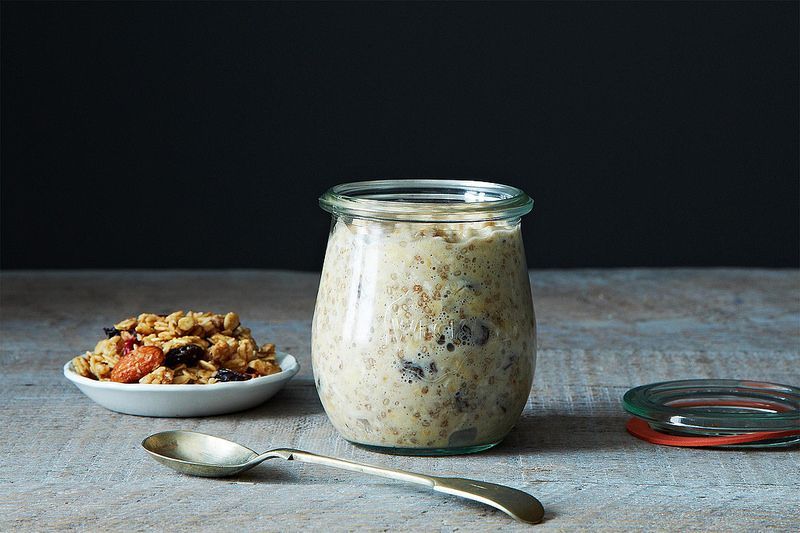
Overnight Oats Ratio: Choosing Oats, Liquids & Avoiding Mistakes
Welcome to the world of overnight oats, a true game-changer for anyone seeking a delicious, convenient, and remarkably healthy breakfast. Whether you're a seasoned enthusiast looking to refine your technique or a curious newcomer eager to unlock the secret to effortless mornings, you've landed in the right place. Overnight oatmeal has risen through the ranks to become one of the most beloved healthy breakfast options, and for good reason.
Imagine waking up to a ready-made, nutritious meal that requires zero cooking and minimal effort. That's the magic of overnight oats! At its core, this breakfast marvel involves little more than oats, a liquid, and a bit of time to chill in the fridge. The result? A creamy, satisfying porridge that can be enjoyed cold straight from the jar or gently warmed if you prefer. Beyond convenience, overnight oats pack a powerful nutritional punch, typically boasting high fiber content and, depending on your chosen ingredients, a generous dose of protein.
This comprehensive guide will equip you with everything you need to master the art of how to make overnight oats, focusing on the critical elements that determine its success: the ideal ratio, selecting the right oats, choosing your liquid base, and sidestepping common pitfalls. Get ready to transform your breakfast routine!
Understanding the Foundation: What Are Overnight Oats?
At its heart, overnight oats are simply oats that have been soaked in liquid and refrigerated for several hours, typically overnight. Unlike traditional oatmeal, which relies on heat to cook and soften the grains, overnight oats achieve their creamy, edible consistency through a process of cold-soaking. This allows the oats to absorb the liquid, breaking down their starches and creating a delightfully soft texture without ever touching a stove.
The beauty of this method lies in its simplicity and unparalleled convenience. You prepare them the evening before, and while you sleep, the magic happens. By morning, you have a perfectly prepared breakfast, ready to grab and go. This makes them an absolute staple for busy individuals, students, and anyone looking to streamline their meal prep. They're portable, versatile, and incredibly adaptable, allowing you to tailor them to your exact taste and nutritional needs. For more ideas on how they can revolutionize your morning routine, check out Overnight Oats: Your Go-To Meal Prep for Easy Healthy Breakfasts.
Cracking the Code: The Ideal Overnight Oats Ratio
The secret to perfect overnight oats often boils down to getting the ratio right. While there's a widely accepted starting point, understanding how different ingredients influence this balance is key to customization.
The Classic 1:1 Ratio: Your Starting Point
For a basic batch of overnight oats, the most common and recommended ratio is 1 part oats to 1 part liquid. For example, if you use ½ cup of oats, you would combine it with ½ cup of liquid. This ratio typically yields a creamy, yet not overly thick or soupy, consistency that many find ideal.
- For a single serving:
- ½ cup rolled oats
- ½ cup liquid (e.g., milk, plant-based milk)
Factors That Modify the Ratio: Adjusting for Perfection
While 1:1 is an excellent baseline, it's not a rigid rule. Several factors can necessitate a slight adjustment to achieve your desired texture:
- Absorbent Add-ins: Ingredients like chia seeds or protein powder are incredibly absorbent. If you add 1 tablespoon of chia seeds to your oats, they will soak up a significant amount of liquid, potentially making your oats too thick. In such cases, you might need to add an extra splash (1-2 tablespoons) of liquid to maintain creaminess.
- Type of Oats: As we'll discuss, different oat types absorb liquid at varying rates. Quick oats, being finer, tend to absorb liquid more readily than rolled oats and might result in a slightly thicker consistency with the same 1:1 ratio.
- Type of Liquid: The viscosity of your liquid also plays a role. Thicker plant milks (like certain oat milks or full-fat coconut milk) can result in a creamier, denser final product compared to thinner liquids like water or almond milk. You might slightly reduce the liquid if using a very thick base, or add a touch more if using water.
- Desired Consistency: Ultimately, personal preference dictates the perfect ratio. If you like your oats thicker, you might aim for slightly less liquid (e.g., 1 part oats to 0.9 parts liquid). If you prefer them a bit looser, a touch more liquid (e.g., 1 part oats to 1.1 parts liquid) will do the trick.
Practical Tip: Start with the 1:1 ratio. The next morning, assess the consistency. If it's too thick, add a tablespoon or two of liquid and stir. If it's too thin, reduce the liquid slightly for your next batch. A little experimentation goes a long way!
Choosing Your Oats: A Deep Dive into Texture and Absorption
The type of oats you select profoundly impacts the final texture of your overnight oats. Not all oats are created equal when it comes to cold-soaking.
- Rolled Oats (Old-Fashioned Oats): These are hands down the best choice for overnight oats. They are whole oat groats that have been steamed and then rolled flat. This process allows them to absorb liquid beautifully, resulting in a delightfully chewy yet soft texture that holds its shape well. They won't turn to mush and offer that classic, satisfying porridge consistency.
- Quick Oats (Instant Oats): While not the absolute top choice, quick oats are a perfectly viable and delicious option. They are rolled oats that have been cut into smaller pieces and steamed longer, making them thinner and faster to cook. For overnight oats, they absorb liquid more quickly and yield a softer, slightly mushier consistency compared to rolled oats. If you prefer a very smooth texture, quick oats are a great alternative. You might find they need a touch less liquid or a slightly shorter soak time to avoid becoming overly soft.
- Instant Oatmeal Packets: While technically possible, we generally don't recommend using pre-packaged instant oatmeal. These are usually highly processed, very fine, and often pre-flavored and sweetened. When cold-soaked, they tend to turn into a very bland, overly mushy paste with an undesirable texture. For the best flavor and consistency, stick with plain rolled or quick oats.
- Steel-Cut Oats (Irish/Scottish Oats): These are oat groats that have been cut into two or three pieces, not rolled. They are dense and minimally processed. For overnight oats, we do not recommend using steel-cut oats for raw soaking. They are far less absorbent than rolled or quick oats and will remain unpleasantly chewy, tough, and hard, even after an overnight soak. Unless you're pre-cooking them or committing to a multi-day soak (which defeats the "overnight" convenience), avoid them for this preparation method.
The Liquid Lowdown: Enhancing Flavor and Nutrition
The liquid component is more than just a softener; it's a foundational flavor and nutritional contributor to your overnight oats.
- Dairy Milk: A classic choice. Dairy milk (whole, skim, or 2%) provides a rich, creamy texture and adds protein and calcium. It's excellent for a traditional, comforting flavor.
- Plant-Based Milks: A fantastic array of options for different tastes and dietary needs.
- Almond Milk: Light, slightly nutty, and typically lower in calories. Opt for unsweetened to control sugar.
- Soy Milk: Creamy, substantial, and a great source of plant-based protein.
- Oat Milk: Incredibly creamy and naturally sweet, making it a favorite for many.
- Cashew Milk: Very smooth and mild in flavor.
- Coconut Milk (light): Adds a subtle tropical flavor and creaminess without being too heavy. Avoid full-fat canned coconut milk unless you're aiming for a very rich, thick dessert-like consistency.
Tip: Always choose unsweetened varieties to control the overall sweetness of your overnight oats. - Water: Yes, you can make overnight oats with water! It's the simplest and most calorie-conscious option. However, water alone won't provide the same creaminess or flavor depth as milk. If using water, we highly recommend adding flavorful mix-ins like fruits, spices (cinnamon, vanilla extract), nut butter, and potentially protein powder or yogurt to boost both taste and nutritional profile.
- Other Creative Liquids:
- Juice: Apple juice or orange juice can add natural sweetness and fruit flavor, but be mindful of the added sugar content.
- Protein Shakes: For a significant protein boost, you can use a prepared protein shake as your liquid. This is an excellent post-workout breakfast.
- Kefir or Buttermilk: These fermented dairy options add a tangy flavor and probiotics. Their thicker consistency might require a slight reduction in overall liquid compared to thinner milks.
Common Mistakes to Avoid When Making Overnight Oats
While overnight oats are forgiving, a few common missteps can lead to less-than-perfect results. Steering clear of these will ensure consistently delicious breakfasts.
- Incorrect Ratio (Too Much or Too Little Liquid): This is the most common mistake. Too much liquid results in soupy, watery oats, while too little leaves them dry, chewy, and under-hydrated.
- Solution: Start with the 1:1 oats-to-liquid ratio and make small adjustments (1-2 tablespoons) in subsequent batches based on your preference. Remember to account for absorbent add-ins.
- Using the Wrong Type of Oats: Attempting to cold-soak steel-cut oats or using instant oatmeal packets can lead to disappointing textures.
- Solution: Stick to rolled oats for the best texture. Quick oats are a good secondary option if you prefer a softer consistency.
- Not Enough Soaking Time: Pulling your oats from the fridge after only an hour or two won't give them enough time to properly soften and absorb the liquid.
- Solution: Aim for a minimum of 4 hours, but ideally 6-8 hours (or simply overnight) for optimal texture.
- Forgetting to Account for Absorbent Add-ins: Adding ingredients like chia seeds or protein powder without adjusting your liquid will lead to overly thick oats.
- Solution: When adding 1-2 tablespoons of chia seeds or protein powder, increase your liquid by an extra 1-2 tablespoons to compensate for their high absorbency.
- Lack of Flavor Variety: Sticking to plain oats every day can lead to breakfast boredom.
- Solution: Embrace customization! Experiment with different fruits (fresh or frozen), nuts, seeds, spices (cinnamon, nutmeg, cardamom), sweeteners (maple syrup, honey, stevia), nut butters, cocoa powder, or yogurt to keep things exciting. This is where the versatility of overnight oats truly shines!
Beyond the Basics: Elevating Your Overnight Oats Experience
Once you've mastered the fundamental ratio and chosen your preferred oats and liquid, the world of customization opens up. This is where overnight oats truly become a personalized culinary canvas.
- Embrace Toppings and Mix-ins: Don't underestimate the power of add-ins to transform your breakfast.
- Fruits: Berries (fresh or frozen), sliced banana, diced apple, mango, or peaches add natural sweetness and vitamins.
- Nuts and Seeds: Almonds, walnuts, pecans, pumpkin seeds, sunflower seeds, and hemp seeds provide healthy fats, protein, and crunch.
- Sweeteners: A drizzle of maple syrup, honey, agave nectar, or a pinch of stevia can enhance sweetness to your liking.
- Spices and Extracts: Cinnamon, nutmeg, vanilla extract, or almond extract can add warmth and depth of flavor.
- Nut Butters: A spoonful of peanut butter, almond butter, or cashew butter creates a rich, creamy texture and adds healthy fats and protein.
- Yogurt: Stirring in Greek yogurt or a plant-based alternative can boost protein, add a tangy creaminess, and incorporate probiotics.
- Chocolate: A sprinkle of cocoa powder or mini chocolate chips can satisfy a sweet craving.
- Strategic Addition of Ingredients: Some ingredients are best added the night before (like dried fruit or spices), while others (like fresh fruit, crunchy nuts, or a final drizzle of honey) are best stirred in just before eating to maintain texture and freshness.
- Consider Your Goals: Are you looking for a protein-packed meal? Add protein powder, Greek yogurt, or extra nuts. Need more fiber? Chia seeds and flax seeds are excellent choices. Craving something decadent? Dark chocolate and a sprinkle of coconut flakes can turn it into a healthy dessert-like treat.
Mastering how to make overnight oats is all about understanding the interplay between oats, liquid, and your chosen add-ins. With a little practice, you'll intuitively know how to craft a perfectly textured, incredibly flavorful breakfast every time.
Conclusion
Overnight oats stand as a testament to how simple yet ingenious breakfast solutions can be. By understanding the core principles—the versatile 1:1 ratio, the right type of oats, and the ideal liquid—you unlock a world of healthy, convenient, and utterly delicious mornings. Forget the morning rush; with overnight oats, your breakfast is ready when you are, packed with fiber, protein, and all the customizable goodness you desire. Don't be afraid to experiment, find your perfect balance, and make this incredibly easy meal prep staple a regular part of your routine. Your future self will thank you for making breakfast so effortless and enjoyable!
